Hydrophilic PES Membrane Applications in Modern Pharmaceutical Processes
If you step into a high-spec bioprocessing suite today, you’ll find that the real heavy lifting isn’t just done by the bioreactors or the chromatography skids. It’s happening inside the filter housings. Among the various materials available to process engineers, Polyethersulfone (PES) has effectively become the industry standard. It isn't just because of the chemistry; it's because PES solves the specific headaches—like flow decay and product loss—that used to plague large-scale drug manufacturing.
Why PES has Become the Industry Workhorse
For years, engineers bounced between different materials like Nylon or Cellulose Acetate. However, the shift toward complex biologics and high-volume injectables demanded something more robust. PES stepped in to fill that gap by offering a unique combination of physical structure and chemical neutrality.

Managing High Flux and Low Loss
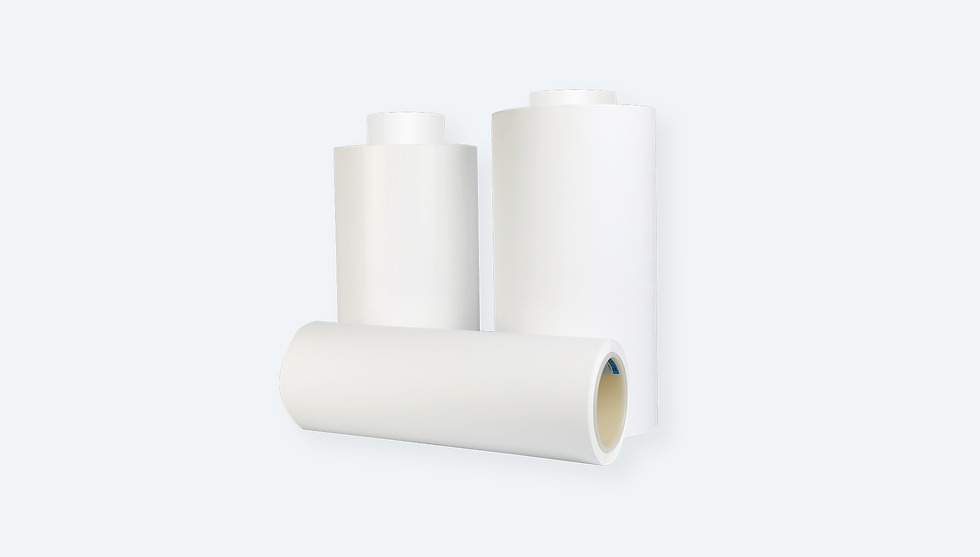
The real "magic" of a PES membrane is its asymmetric structure. Unlike a uniform mesh, the pores in a Hydrophilic PES membrane are wider on the upstream side and tighter on the downstream side. This acts as a built-in pre-filter. For a production manager, this means you can push more fluid through a smaller filter area.
But flow isn't everything. In the world of monoclonal antibodies (mAbs), the product itself is the most expensive part of the process. Traditional membranes often "trap" proteins due to surface charge. PES is naturally hydrophilic and carries almost no charge, meaning the expensive drug goes through the filter rather than sticking to it. This "low-binding" nature is often the difference between a profitable batch and a significant loss.
Thermal and Chemical Reliability
Modern pharma doesn't just need a filter that works; it needs one that survives. Whether it’s surviving a 121°C steam cycle or resisting the aggressive caustic cleaners used in "clean-in-place" (CIP) protocols, PES holds its ground. It doesn't become brittle or shed fibers after a sterilization cycle, which is a non-negotiable requirement for maintaining a sterile boundary.
Where the Rubber Meets the Road: Critical Applications
PES isn't a "one size fits all" solution, but it’s remarkably close. In a standard facility, you’ll find it utilized in several high-stakes areas.
The Final Line: Sterile Filtration
For any injectable drug that can't be heat-treated, the 0.22μm PES filter is the final safety net. This is where the physics of the membrane meets the letter of the law. These filters are validated to a "log reduction value" (LRV) that ensures even the smallest bacteria, like Brevundimonas diminuta, are completely stripped out. When companies like Tailin manufacture these, they aren't just making a plastic mesh; they are creating a validated biological barrier.
Managing Upstream and Downstream Prep
Upstream, you’re dealing with massive volumes of growth media that are often nutrient-rich and prone to fouling. Hydrophilic PES membranes allow for rapid filtration of these "heavy" liquids without the constant need for filter change-outs mid-batch. Downstream, during the clarification stages, PES acts as the protector for the ultrafiltration (UF) and chromatography steps that follow. By handling the bulk of the particulate load, it saves the most expensive components of the facility from premature failure.
The Tailin Edge: Bridging the Gap Between Product and Compliance
In the domestic landscape, Tailin Bioengineering has moved beyond just being a component supplier. They’ve recognized that in pharma, the filter is only as good as the paperwork behind it.
Integration of Membrane and Hardware
Tailin’s strength lies in their vertical approach. They don't just buy a roll of membrane and pleat it; they control the casting process. This allows for a level of pore-size consistency that is vital for predictable scale-up. If a process works at the 10-liter bench scale, an engineer needs to be certain it will behave the same way at the 2,000-liter production scale.
Solving the Validation Burden
Perhaps the biggest hurdle in modern pharma isn't the filtration itself—it's proving that it worked. Every sterile filter must undergo an integrity test. Tailin has integrated their PES cartridges with specialized automated testing equipment. This ecosystem reduces the "human element" of risk. When an auditor asks for proof that a batch was sterile, having a digital, tamper-proof record of the filter's integrity is what keeps a plant running.
In modern pharmaceutical processes, especially those involving sterile filtration with PES membranes, validating the effectiveness of sterilization steps is equally important. This is where biological indicators play a critical role. As one of the most reliable process monitoring tools, biological indicators use highly resistant microbial spores to directly verify the lethality of sterilization methods such as steam, hydrogen peroxide, or ethylene oxide.
Tailin’s biological indicators are designed in multiple formats—including self-contained and spore suspension types—and comply with international standards such as ISO 11138 and USP, ensuring traceability and consistent performance. By integrating biological indicators into workflows alongside Hydrophilic PES membrane filtration, pharmaceutical manufacturers can achieve a higher level of sterility assurance, supporting both regulatory compliance and product safety.
Looking Ahead: SUT and Advanced Modifications
The industry is currently pivoting toward "Single-Use Technology" (SUT). The days of cleaning massive stainless steel housings for hours are fading. Pre-sterilized, disposable PES capsule filters are the new norm. They allow for a "plug-and-play" facility design that can switch from making one drug to another in a fraction of the time.
Furthermore, we are seeing the rise of "modified" PES. Scientists are now grafting specific molecules onto the membrane surface to make them even more resistant to fouling or to handle extreme pH levels that would have dissolved a standard membrane a decade ago.
In the grand scheme of drug development, a filter might seem like a commodity. But for the people responsible for batch yield and patient safety, the choice of membrane is a strategic decision. PES remains at the top of the list because it balances the three things that matter most: speed, safety, and recovery. As manufacturing gets more complex, the role of companies like Tailin—providing both the high-performance membrane and the validation tools to back it up—will only become more central to the global healthcare supply chain.
For detailed information, please visit https://www.tailinscitech.com/ or reach out via +86-571-8658-9087 or marketing@tailingood.com. Follow Tailin on Facebook or Linkedln to explore more about the company’s technologies, applications, and future developments.
Read Our One More Blog: Why Tailin’s Filter Integrity Tester Matters for Critical Membrane Testing




Comments