Why Choose a Hydrophilic PES Membrane for Biopharmaceutical and Laboratory Filtration?
Filtration is one of those processes that often goes unnoticed until something goes wrong. In pharmaceutical manufacturing, biotechnology research, and laboratory testing, every filtered sample, culture medium, or sterile solution directly affects the quality of the final result. Choosing the right membrane is therefore not just a technical decision—it is an important part of maintaining accuracy, efficiency, and product safety.
Among the many filtration materials available today, the Hydrophilic PES Membrane has become a trusted option for scientists and manufacturers worldwide. Known for its naturally hydrophilic surface, excellent flow performance, and exceptionally low protein binding, it delivers consistent filtration while protecting valuable biological samples.
Tailin Bioengineering offers high-quality Hydrophilic PES Membranes designed for demanding pharmaceutical, biotechnology, and laboratory environments, where reliable sterile filtration is essential.
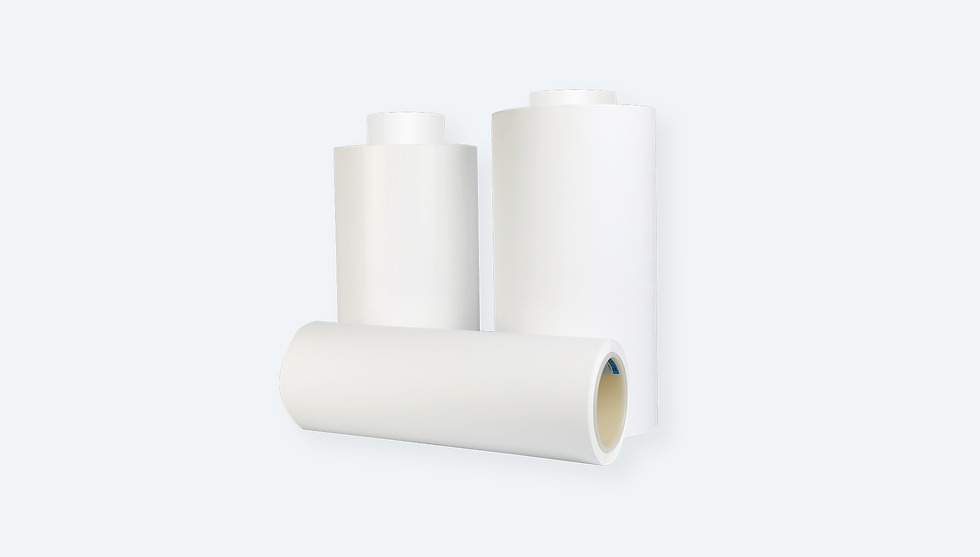
What Is a Hydrophilic PES Membrane?
A Hydrophilic PES Membrane is a filtration membrane made from polyethersulfone (PES), a high-performance polymer valued for its mechanical strength, chemical stability, and excellent filtration characteristics.
Unlike hydrophobic membranes that require wetting before use, a hydrophilic PES membrane is ready to work immediately with aqueous solutions. Water spreads naturally across the membrane surface, allowing faster filtration and reducing preparation time.
Because of its balanced performance, PES has become one of the most commonly selected membrane materials for sterile filtration in pharmaceutical production, life science research, and quality control laboratories.
Why Hydrophilic PES Membranes Are So Popular
Several characteristics explain why researchers and manufacturers continue to choose PES over many alternative membrane materials.
Naturally Hydrophilic Surface
One of the biggest advantages is that the membrane does not require pre-wetting before filtration. Liquids pass through the membrane smoothly from the start, simplifying workflows and improving efficiency.
This feature is particularly valuable when laboratories handle hundreds of filtration procedures every day.
High Flow Rate
Hydrophilic PES membranes provide excellent permeability. Higher flow rates allow larger sample volumes to be processed in less time without sacrificing filtration quality.
For pharmaceutical manufacturers, this means greater productivity while maintaining strict process control.
Low Protein Binding
Many biological solutions contain proteins, enzymes, antibodies, or other valuable biomolecules. Some membrane materials can adsorb these substances, reducing sample recovery and affecting analytical accuracy.
Hydrophilic PES membranes exhibit very low protein binding, helping preserve sample integrity and maximize recovery of sensitive biological materials.
Excellent Sterilization Compatibility
PES membranes are compatible with multiple sterilization methods commonly used in pharmaceutical facilities, including steam sterilization and gamma irradiation.
Their structural stability allows them to maintain reliable filtration performance even after sterilization, making them suitable for regulated manufacturing environments.
Common Applications of Hydrophilic PES Membranes
Because of their versatility, Hydrophilic PES Membranes are used across a wide range of industries.
Sterile Pharmaceutical Filtration
One of the most important applications is sterile filtration of pharmaceutical solutions before filling or packaging. The membrane helps remove microorganisms while allowing the desired product to pass through efficiently.
This supports compliance with stringent pharmaceutical manufacturing standards.
Biopharmaceutical Manufacturing
Modern biologic drugs involve complex proteins, vaccines, monoclonal antibodies, recombinant products, and cell culture media.
The low protein adsorption of PES membranes minimizes product loss while maintaining filtration efficiency, making them well suited for these sensitive applications.
Laboratory Sample Preparation
Research laboratories frequently filter buffers, media, reagents, and analytical samples before experiments.
A Hydrophilic PES Membrane helps eliminate particulate contamination while maintaining the original characteristics of the sample.
Cell Culture and Microbiology
Cell culture media require sterile preparation to prevent contamination that could compromise experimental results.
PES membranes provide reliable filtration with excellent throughput, allowing laboratories to prepare sterile media quickly and consistently.
Performance Advantages Compared with Other Membrane Materials
Selecting the right membrane often depends on the nature of the liquid being filtered. While cellulose acetate, nylon, PVDF, and PTFE membranes each have specific strengths, Hydrophilic PES Membranes offer a particularly well-balanced combination of performance characteristics.
Compared with cellulose acetate, PES generally provides higher flow rates and greater mechanical durability.
Compared with nylon membranes, PES typically exhibits lower protein binding, making it more suitable for protein-containing biological samples.
Compared with PTFE membranes, which are primarily intended for gases and organic solvents, hydrophilic PES membranes are specifically optimized for aqueous filtration applications.
This versatility allows laboratories to standardize many filtration processes using a single membrane type.
Supporting Sterile Processing with Aseptic Isolators
Filtration is only one component of maintaining sterile production. In pharmaceutical manufacturing, sterile environments are equally important for preventing contamination during critical operations.
An Aseptic Isolator is a closed, highly controlled system that creates a physical barrier between operators and sterile products. It maintains aseptic conditions through controlled airflow, pressure management, and validated decontamination procedures.
When Hydrophilic PES Membranes are used together with aseptic isolators, manufacturers can build a more reliable sterile workflow. While the membrane removes microorganisms from liquids during filtration, the isolator helps protect the filtered product from environmental contamination during downstream handling, filling, testing, or processing.
Tailin Bioengineering provides not only advanced membrane filtration solutions but also aseptic isolator systems that support pharmaceutical manufacturers in achieving high standards of sterility assurance throughout the production process.
What to Consider When Choosing a Hydrophilic PES Membrane
Although PES membranes are highly versatile, selecting the right specification remains important.
Pore Size
Different applications require different pore sizes.
For sterile filtration, 0.22 μm membranes are commonly selected because they effectively retain bacteria while allowing liquids to pass efficiently.
Larger pore sizes may be appropriate for clarification or particle removal before final sterile filtration.
Membrane Diameter
Laboratory syringe filters, analytical filtration devices, and industrial filtration systems all require different membrane dimensions.
Choosing the correct size ensures optimal flow performance and efficient sample processing.
Chemical Compatibility
Although PES performs well with many aqueous solutions, users should always verify chemical compatibility when filtering aggressive solvents or specialized reagents.
Selecting the proper membrane extends service life while ensuring consistent filtration performance.
Why Tailin Hydrophilic PES Membranes Stand Out
Reliable filtration depends not only on membrane material but also on manufacturing quality and consistency.
Tailin Bioengineering develops Hydrophilic PES Membranes with strict quality control to meet the demanding requirements of pharmaceutical manufacturing, biotechnology research, environmental testing, and laboratory analysis. Their membranes combine excellent flow performance, low protein adsorption, high mechanical strength, and dependable filtration efficiency, making them suitable for applications where precision cannot be compromised.
In addition to membrane products, Tailin offers integrated sterile processing solutions, including filtration systems, microbiological testing equipment, sterility testing solutions, and aseptic isolators. This comprehensive approach helps laboratories and pharmaceutical manufacturers simplify validation, improve operational efficiency, and maintain confidence in every stage of sterile production.
A Hydrophilic PES Membrane offers much more than fast filtration. Its naturally hydrophilic surface, excellent flow characteristics, low protein binding, and strong compatibility with sterilization processes make it a dependable solution for pharmaceutical manufacturing, biotechnology, and laboratory research.
When combined with advanced sterile technologies such as aseptic isolators, these membranes contribute to a complete contamination-control strategy that supports product quality and regulatory compliance. For organizations seeking consistent filtration performance and reliable sterile processing, Tailin Bioengineering provides both the membrane technology and integrated solutions needed to meet the evolving demands of modern life science industries. Visit https://www.tailinscitech.com/, call 86‑571‑8658 9087, or email marketing@tailingood.com. Follow our Facebook and Linkedln channels for the latest news and events.
View Source:- Why Choose a Hydrophilic PES Membrane for Biopharmaceutical and Laboratory Filtration?
Read Our One More Blog: How Tailin Bioengineering's Hydrophilic PES Membrane Improves Sterile Filtration Efficiency


Comments